Volta Presentation Farms operated as a vertically integrated agricultural platform: from soil preparation and crop management through post-harvest processing, product development, and commercial distribution. Over 15 years, VPF built operational capability across every stage of the agricultural value chain in West Africa.
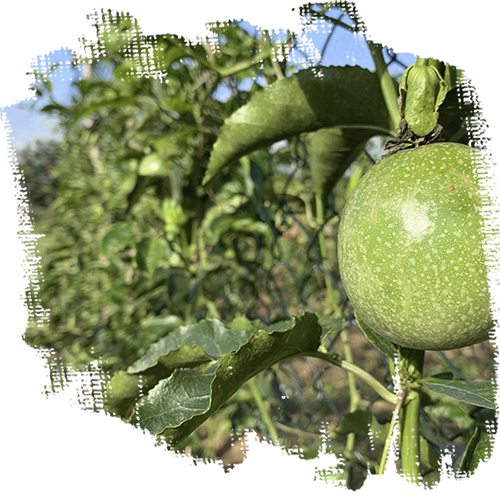

Production at Scale
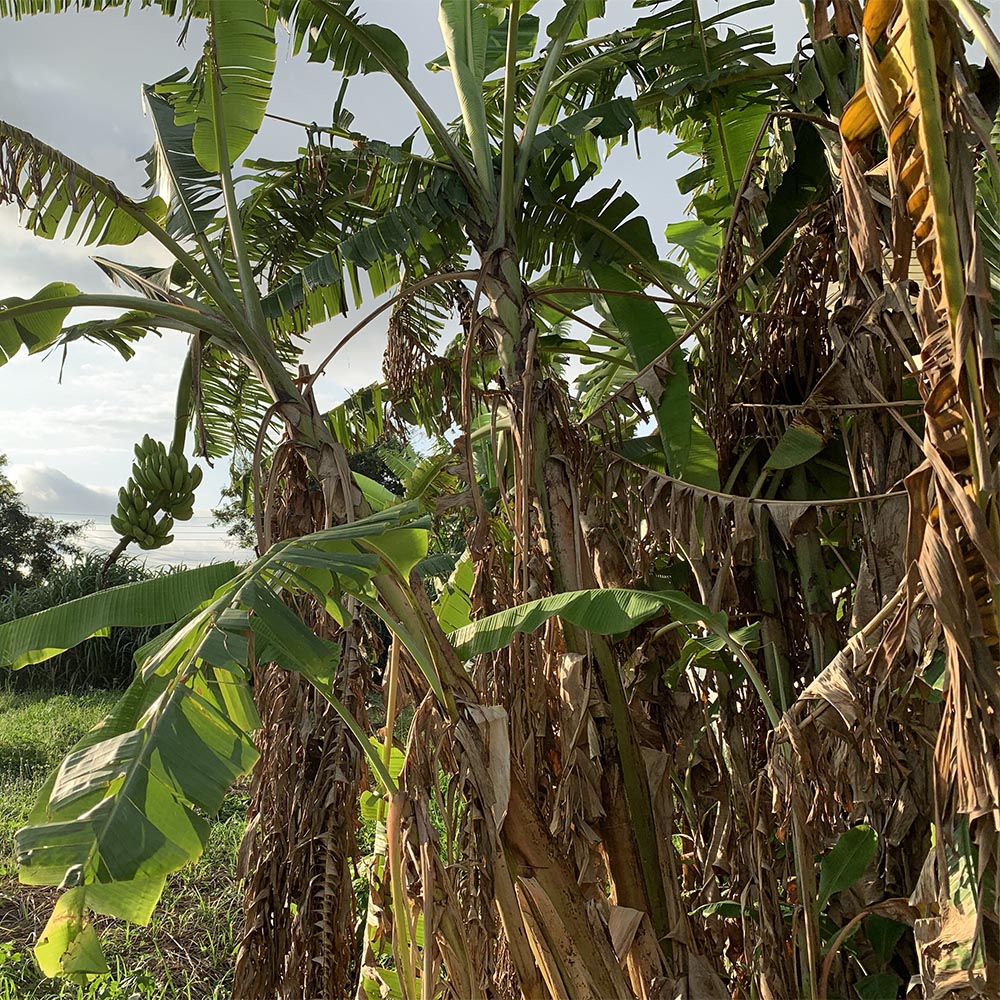
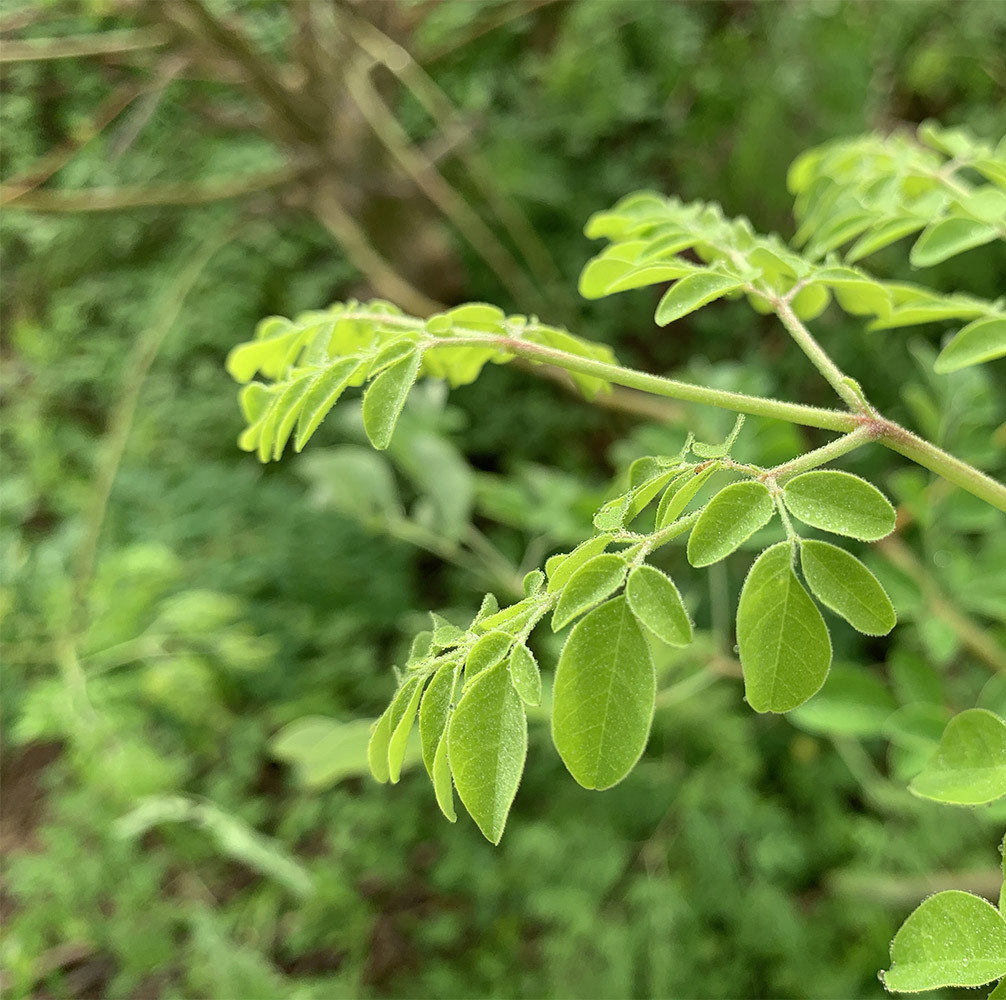
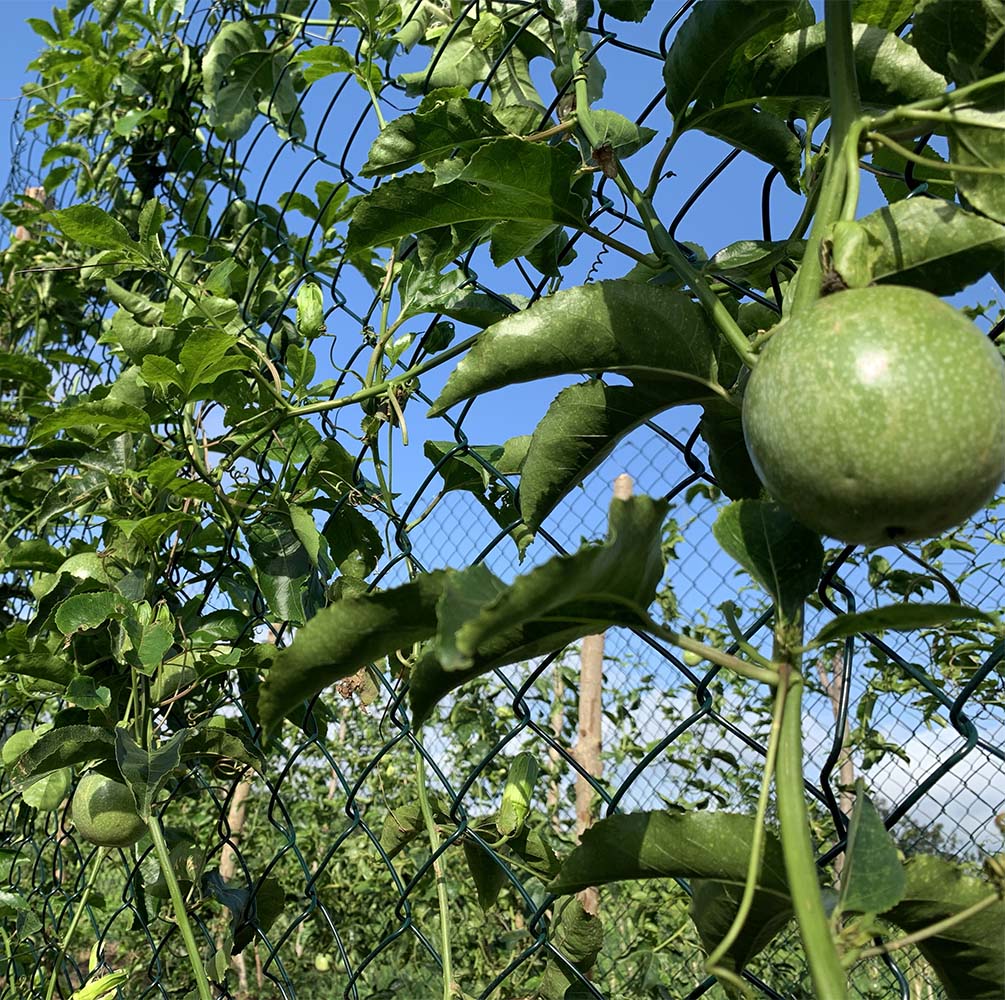
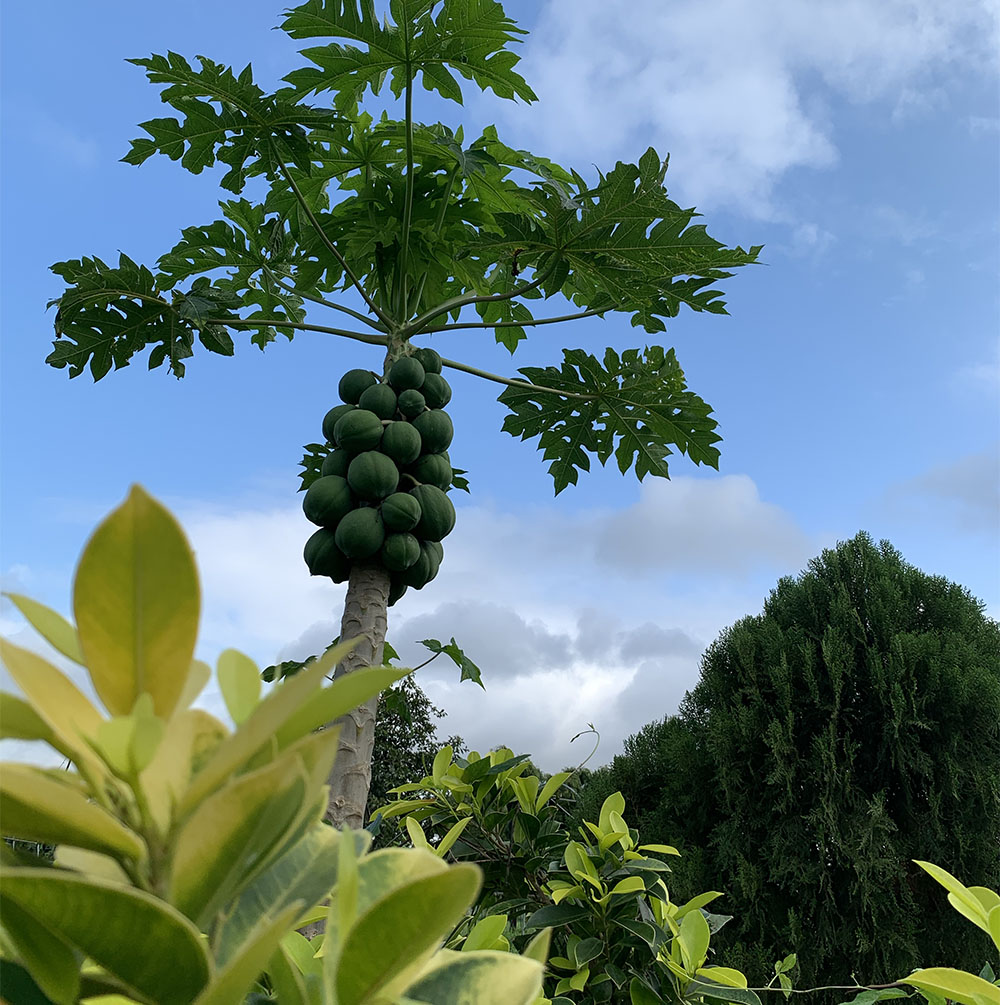
250 acres of diversified medicinal and aromatic herb production. 50 acres of cocoa and coffee variety trials. Full agronomic management including soil development, crop rotation, organic cultivation, and harvest scheduling across multiple production cycles per year.
Post-Harvest Processing
On-site drying, grading, and processing infrastructure. Quality control systems for both domestic consumer products and export-specification raw materials. Organic certification maintained throughout operations.
Product Development and Manufacturing
Development of 15+ herbal tea SKUs, powders, and supplements under the Guaman Infusions brand. Full product lifecycle management: formulation, packaging design, compliance labelling, shelf-life testing, and production scaling.
Commercial Distribution
National distribution network across Ghana including retail, direct-to-consumer, and institutional channels. Regional export distribution into Nigeria, Gabon, and additional West and Central African markets.
Export R&D and International Partnerships
Two-year production partnership with a German sourcing group supplying major global companies in the medicinal and aromatic herbs industry. This programme required meeting EU-grade quality specifications, full traceability systems, and international compliance frameworks. VPF operated as the production and quality assurance partner, gaining direct exposure to global supply chain standards and institutional counterparty requirements.









The operational capability built at Volta Presentation Farms over 15 years of continuous agricultural operations now serves as the foundational reference for APDC Holdings’ corridor-scale infrastructure development across West Africa. The constraints encountered repeatedly at VPF (fragmented logistics, absent processing infrastructure, limited access to institutional-grade commodity markets) are precisely the gaps that APDC’s agricultural corridor model is designed to close.